ENTRENAMIENTO Y TALLER

El cuerpo que imagina

21-31 de Julio 2025

El cuerpo que imagina

Un acercamiento psicofísico a la imaginación

Sexta Edición de los Talleres Vértico - Julio 2025, Madrid

Este verano, únete a Exlímite en una apasionante exploración de la interpretación en teatro, danza o música desde el cuerpo y la imaginación, las posibilidades creativas únicas de tu movimiento y sensibilidad artística.

Desde 2020, nuestros talleres en Julio ofrecen una experiencia única que rinde tributo a los principios psicofísicos de actuación de Phillip Zarrilli (1947-2020) y la imaginación creadora que plantea Michael Chéjov (1891-1955).

¿Por qué participar en esta experiencia?

La relación que el artista escénico establece con lo que hace es un proceso continuo de aprendizaje y descubrimiento. No se trata de alcanzar un ideal, sino de explorar cómo adquiere conciencia de su actuación y cómo esta puede aplicarse para profundizar en su práctica artística interpretativa.

A través del desarrollo de una conciencia cuerpomente, una actitud de apertura y disponibilidad y las técnicas de Michael Chéjov podrás:

  • Entender mejor el proceso artístico y tu individualidad creativa
  • Profundizar en tu relación con el texto, el personaje, la partitura o coreografía
  • Celebrar tu autonomía y sensibilidad artística
  • Permitir que tu saber-hacer florezca en el escenario

La actuación es, en última instancia, el estudio de una relación. Una relación entre la actriz, músico o bailarín, su técnica y creatividad, y el público que la observa. Y en este estudio, cada sesión, cada improvisación o ejercicio, se convierte en un momento de transformación y aprendizaje:

  • Escuchando tu cuerpomente y saber entrar en un estado creativo óptimo
  • Conectando tu individualidad creativa y el material con el que trabajas
  • Discerniendo aquello que hace que tu actuación sea espontánea y auténtica
  • Abriendo nuevos caminos en tu formación y entrenamiento artístico
  • Reforzando tu potencial creativo y conexión con el público
  • Ganando confianza, flexibilidad y libertad en escena

Características del taller:

Entrenamiento Psicofísico (21-24 de julio | 10:00-13:00)

Transforma tu enfoque de actuación a través del desarrollo de una conciencia cuerpomente, y una actitud de apertura y disponibilidad hacia tu actuación. Este entrenamiento mejora tu conciencia física, percepción sensorial y expresión artística.

Taller Intensivo (26-31 de julio | 11:00 a 18:00)

Las sesiones de mañana (11:00-15:00) están diseñadas para conocer, explorar y activar la imaginación psicofísica en ejercicios e improvisaciones y en relación al material que tú eliges. Las sesiones de la tarde (16:00-18:00) son individuales y están enfocadas a orientar tu crecimiento personal y profesional en base a una idea propia, texto, partitura, personaje o proyecto, en un entorno dinámico e interactivo con los/las compañeros/as.

¿Qué incluye?

  • Preparación psicofísica (yoga, taichí y kalarippayattu) enfocada a reforzar tu conciencia, presencia y potencial imaginativo en escena.
  • Técnica de Michael Chéjov: ejercicios de improvisación y composición: cuerpo imaginario, gesto psicológico y atmósferas.
  • Participación limitada: para garantizar una atención detallada y un enfoque personalizado, maximizando tu aprendizaje y experiencia.
  • Interacción y retroalimentación: cada actividad está diseñada para que interactúes, compartas y recibas comentarios que enriquecerán tu desarrollo.
No dejes pasar la oportunidad de crecer como artista en un ambiente que acoge, inspira y transforma.

¡Únete a Exlímite en esta experiencia única en Vértico Madrid!

¿Cuándo?

Entrenamiento Psicofísico
21-24 de julio 2025
10:00 – 13:00

Taller Intensivo
26-31 de julio 2025
11:00 – 18:00

¿Dónde?

Espacio exlímite

Primitiva Gañán 5
Madrid

¿Cuánto?

Entrenamiento Psicofísico: 140 euros
Taller intensivo: 220 euros

Reservas

Información y reservas: equipo@vertico.es

Testimonios

En el taller, me olvidé de la meta, trabajé en el camino: estuve y estuvieron en el espacio todas y cada una de las partes de mi cuerpo, se hicieron presentes a través del movimiento y la respiración.

Amaia Lizarralde
Me llevo de este taller un entrenamiento claro y conciso de hacia dónde conduce cada parte de su técnica empleada, cada juego y cada improvisación.

Isabel Sánchez Pérez
Me dí la oportunidad de" imaginar sobre la escucha de mi cuerpo y sus sensaciones". Llevaba tiempo ya preguntándome acerca del trabajo sobre la imaginación, la memoria y el cuerpo, y el alcance que tiene todo eso en el trabajo creativo del actor.

Juanjo Cabrera
En el entrenamiento de Zarrilli y Chéjov con Sol no encontré respuestas, sino más preguntas. Considero que en la escena y en el arte tiene que prevalecer la maravillosa facultad de preguntar y reformular continuamente.

Julio Hu Chen

Phillip Zarrilli (1947-2020)

El método de entrenamiento psicofísico que llegó a desarrollar y enseñar internacionalmente incluía tres disciplinas: yoga, kalaripayattu y tai-qi-quan. Hay un énfasis y dedicación minuciosa a los procesos de “respiración” y “escucha”, a través de los cuales se gana conciencia de estar presente en escena y del gestionar de la energía durante la actuación. Ese estado de escucha, dentro del momento de respiración del aquí y ahora, se convierte en una forma de encarnar el silencio—el silencio de una escucha atenta y respetuosa. Interpretar desde ese estado se convierte en una aventura del ser y la conciencia. Su teatro era un espectáculo de la escucha: lento, absorbente, consciente, sintonizado y cautivador.

Michael Chéjov (1891–1955)

Sobrino del dramaturgo Antón Chéjov, fue ampliamente reconocido como uno de los más brillantes y originales actores del siglo XX, de gran talento para la caracterización, capaz de llegar con facilidad a la verdad del personaje e influir al espectador. En el Teatro de Arte de Moscú, trabajó junto a Stanislavski, Vajtángov y Meyerhold dando a luz un teatro audaz, expresivo e imaginativo. Dentro de la búsqueda de principios objetivos que condujeran a una actuación inspirada, Chéjov desarrolló una técnica psicofísica propia, que priorizaba el cuerpo y la imaginación en el trabajo actoral. Su aguda observación del proceso creativo dio lugar a sistema de actuación basado en las imágenes, sentimientos y sensaciones a través del cuerpo, el desarrollo del yo creativo y una conciencia estética.

SOL GARRE

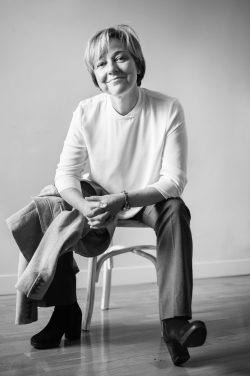
Sol Garre es pedagoga, investigadora y directora de movimiento.

Es profesora de interpretación gestual en la RESAD. Ha colaborado con Michael Chekhov Association Europe (MCE), y es parte del equipo docente en MICHA, US. Ha impartido talleres y ponencias sobre la técnica Chéjov en La Machina; La Casona; Asociación Actores de Valencia y Asturias; La Abadía; Massarte; Teatro Réplika; La Nave del Duende; Compañía de Actores Mijail Chéjov; Universidad de Salamanca; ESAD de Valencia, Valladolid, Asturias y Cáceres; Exeter University; Dartington Hall; el Instituto Grotowski; la Universidad de Tampere (Finlandia). En 2011 co-funda Vértico. Estudió Arte Dramático y Psicología Social en la Universidad Complutense de Madrid. Master en Performance Practice y Doctora en Filosofía (práctica escénica) por la Universidad de Exeter, Reino Unido.

una colaboración con 

 The Imagining Body

A psychophysical approach to the imagination


Sixth Edition of the Vértico Workshops – July 2025, Madrid

This summer, join Exlímite for an exciting exploration to performance in dance, theatre or music through your body and imagination, creative possibilities of your movement and artistic individuality.

Since 2020, our July workshops have offered a unique experience that pay tribute to the psychophysical acting principles of Phillip Zarrilli (1947–2020) and the creative imagination proposed by Michael Chekhov (1891–1955).

Why take part in this experience?

The relationship that a performing artist establishes with their work is a continuous process of learning and discovery. It’s not about reaching an ideal, but about exploring how you become aware of your doing while performing and how that awareness can deepen your artistic practice.

Through the development of bodymind awareness, an attitude of openness and receptivity, and the techniques of Michael Chekhov, you will be able to:

  • Better understand your creative process and personal artistic approach
  • Deepen your relationship with the text, character, score, or choreography
  • Celebrate your autonomy and artistic sensitivity
  • Invite your know-how to flourish on stage

Acting/performing is, ultimately, the study of a relationship — a relationship between the performer, their technique and creativity, and the audience who witnesses them. Within this study, each session, each improvisation or exercise becomes a moment for transformation and learning:

  • Listening to your bodymind and know how to enter an optimal creative state
  • Connecting your creative individuality with the material you work with
  • Discerning what makes your performance spontaneous and authentic
  • Opening new paths in your artistic training and development
  • Strengthening your creative potential and connection with the audience
  • Gaining confidence, flexibility, and freedom on stage

Workshop Features:

Psychophysical Training (July 21–24 | 10:00–14:00)

Transform your approach to performance through the development of a body-mind awareness, and an attitude of openness and availability towards your performance. This training enhances your physical awareness, sensory perception and artistic expression.

Intensive Workshop (July 23-28, from 11:00 AM to 3:00 PM)

The morning sessions (11:00-15:00) are designed to get to know, explore and activate the psychophysical imagination in exercises and improvisations and in relation to the material of your choice. The afternoon sessions (16:00-18:00) are individual and are focused on guiding your personal and professional growth based on your own idea, text, score, character or project, in a dynamic and interactive environment with your peers.

What’s included?

  • Psychophysical preparation (through yoga, tai chi, and kalarippayattu) focused on enhancing awareness, presence, and the potential of your imagination.
  • Michael Chekhov technique: improvisation and composition exercises, imaginary body, psychological gesture, and atmospheres.
  • Limited participation: to ensure detailed attention and a personalized approach, maximizing your learning and experience.
  • Interaction and feedback: every activity is designed for you to engage, share, and receive feedback to enrich your development.
Don’t miss the chance to grow as an artist in a space that welcomes, inspires, and transforms.


Join Exlímite for this unique experience in Vértico Madrid!

WHEN?

Psychophysical Training
July 21–24, 2025
10:00 – 13:00

Intensive Workshop
July 25–31, 2025
11:00 – 18:00

WHERE?

Espacio exlimite
Primitiva Gañán 5
Madrid

HOW Much?

Psychophysical Training: 140 euros
Intensive Workshop: 220euros

Reservations:

For more information and reservations write to equipo@vertico.es

Testimonials

In the workshop, I forgot about the goal and focused on the journey: every part of my body was present in the space, becoming alive through movement and breath.

Amaia Lizarralde
From this workshop, I take away a clear and concise understanding of where each part of the technique leads, every game and every improvisation.

Isabel Sánchez Pérez
I gave myself the opportunity to "imagine through the listening of my body and its sensations." For some time now, I've been pondering the work on imagination, memory, and the body, and how all of this impacts an actor's creative process.

Juanjo Cabrera
In Zarrilli and Chekhov's training that we did with Sol, I didn't any find answers but only more questions. I believe that in performance and art, the wonderful ability to continually question and reformulate should prevail.

Julio Hu Chen

Phillip Zarrilli (1947-2020)

The psychophysical training method he developed and taught internationally included three disciplines: yoga, kalaripayattu, and tai-chi-quan. There is a strong emphasis and meticulous dedication to the processes of “breathing” and “listening,” through which awareness of presence on stage and energy management during performance is cultivated. That state of listening, within the breath-moment of the here and now, becomes a way to embody silence—the silence of attentive and respectful listening. Performing from this state becomes an adventure of being and consciousness. His theatre was a spectacle of listening: slow, absorbing, mindful, attuned, and captivating.

Michael Chéjov (1891–1955)

Nephew of playwright Anton Chekhov, he was widely recognized as one of the most brilliant and original actors of the 20th century, with great talent for characterization, able to easily reach the truth of the character and move the audience. At the Moscow Art Theatre, he worked alongside Stanislavski, Vakhtangov, and Meyerhold, giving rise to a bold, expressive, and imaginative theatre. As part of the search for objective principles that would lead to inspired acting, Chekhov developed his own psychophysical technique, prioritizing the body and imagination in the actor’s work. His keen observation of the creative process gave rise to an acting system based on images, feelings and sensations through the body, the development of the creative self and aesthetic awareness.

SOL GARRE

Sol Garre is a teacher, researcher, and movement director.

She is a professor of acting in physical theatre at RESAD. She has collaborated with the Michael Chekhov Association Europe (MCE) and is part of the teaching staff at MICHA, US. She has given workshops and lectures on the Chekhov technique at La Machina; La Casona; Valencia and Asturias Actors Association; La Abadía; Massarte; Teatro Réplika; La Nave del Duende; Mijail Chekhov Actors Company; University of Salamanca; ESAD of Valencia, Valladolid, Asturias, and Cáceres; Exeter University and Dartington Hall, and the Grotowski Institute. In 2011, she co-founded Vértico. She studied Dramatic Arts and Social Psychology at the Complutense University of Madrid. Master in Performance Practice and Doctor of Philosophy (Performance Practice) from the University of Exeter, UK.

una colaboración con

contacto
linkedin facebook pinterest youtube rss twitter instagram facebook-blank rss-blank linkedin-blank pinterest youtube twitter instagram